
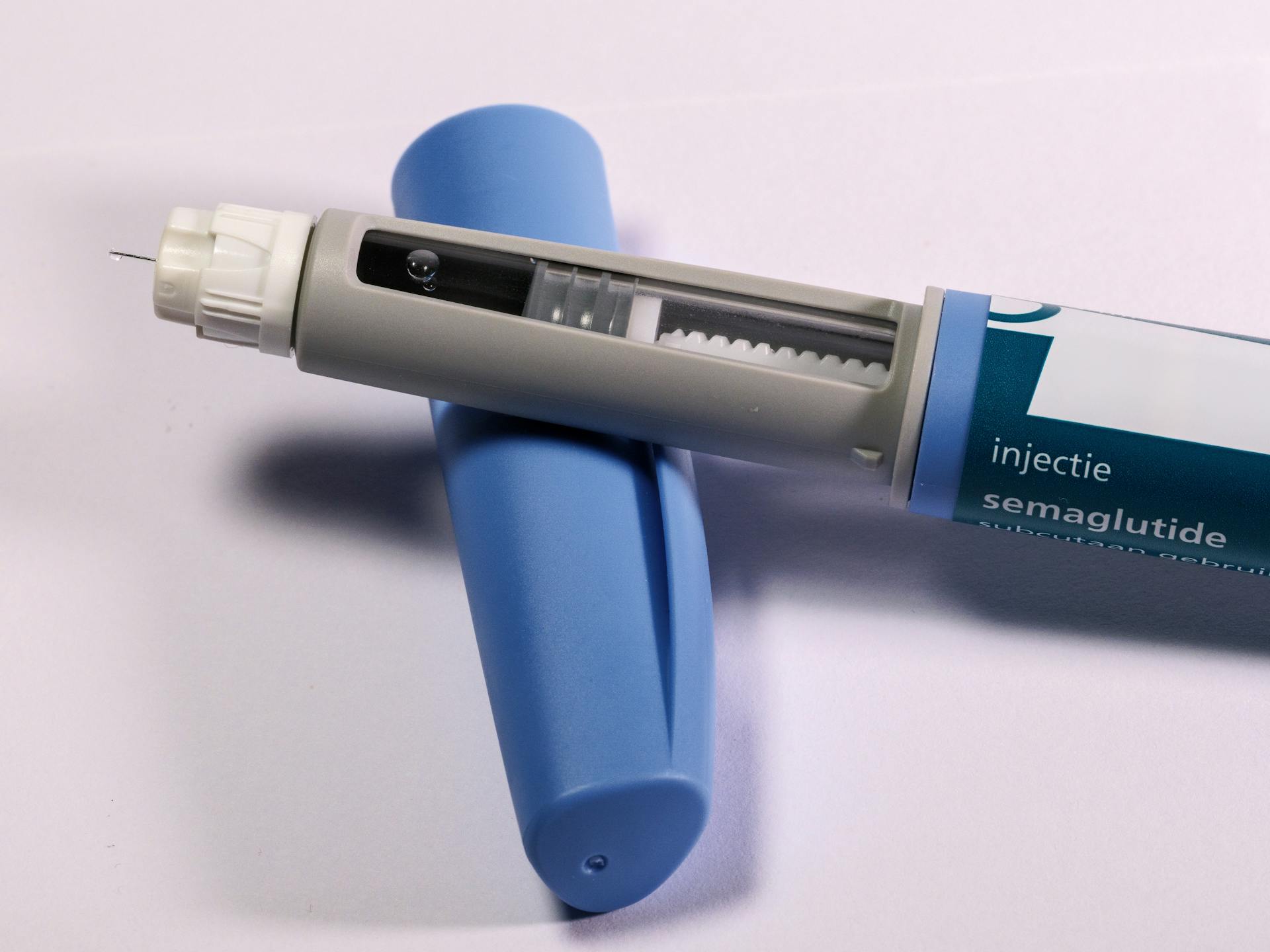
These blockbuster medications have been proven to be highly effective at assisting people with losing significant amounts of weight.
Originally approved for the treatment of people with diabetes, these injectable medications work via 3 primary mechanisms:
- Enhance insulin production by the pancreas and suppress glucagon production – taking these medications lead to the net effect of lowering blood sugar levels
- Delay stomach emptying – these medications slow down digestion, thereby increasing the feeling of satiety
- Curbing ‘food noise’ – GLP-1 receptors exist not only in the gut but also the brain, and these medications control food intake by reducing hunger signals
In addition to helping to treat diabetes and obesity, these medications are also effective at treating sleep apnea, reducing heart disease risk and progression of kidney disease in certain individuals, and improving metabolic liver disease. Ongoing research is also studying potential benefits of these medications in treating addiction and also improving cognitive and behavioral health. There are some promising early-stage clinical trials that indicate that these medications may be effective in preventing Alzheimer’s disease and slowing the progression of Parkinson’s disease (They are not currently approved for these indications, however.)
Why are some people ‘non-responders’ with regards to weight loss?
We now have >10 years of weight-loss data on these medications. Even though GLP-1 RAs have been approved for the treatment of diabetes since 2005, it was not until 2014 that the FDA approved Saxenda (liraglutide) as the first GLP-1 RA specifically for weight loss.
It turns out that up to 15% of people respond minimally or not at all to these medications. The reasons why someone may be a ‘non-responder’ (i.e., has not lost at least 5% of his/her initial body weight after 3 months of taking the GLP-1 RA) likely vary depending on individual circumstances. If your hunger has diminished, yet you are still choosing calorie-dense, high-carb foods and not engaging in any regular exercises, it is possible that you won’t see the scale – or your waistline – budge. If you aren’t on a high enough dose of the medication (e.g., you may be experiencing adverse side effects that keep you from escalating the dosage), you may experience limited weight loss results. And finally, there is evidence that one’s own genetics, metabolism, and underlying health conditions also play a role in determining who will and will not respond well to these medications.
What’s new on the horizon for GLP-1s?
In the future, we will likely see new medications available, which will make GLP-1s even more convenient and effective. A new monthly injection is being developed, and within the next year we may see a new oral GLP-1 for weight loss become available. In addition, research is currently being conducted on combination medications that can enhance the weight loss benefits of GLP-1s. In terms of accessibility, efforts are being made to address shortages and improve affordability, including the emergence of generic versions and the development of less expensive oral forms. Stay tuned for more information as we (patients and clinicians alike) adapt to this rapidly changing landscape of weight-loss medications!