
You have likely heard the messaging to try to minimize your consumption of ultra-processed foods, but do you know how to identify them and why exactly they should be avoided?
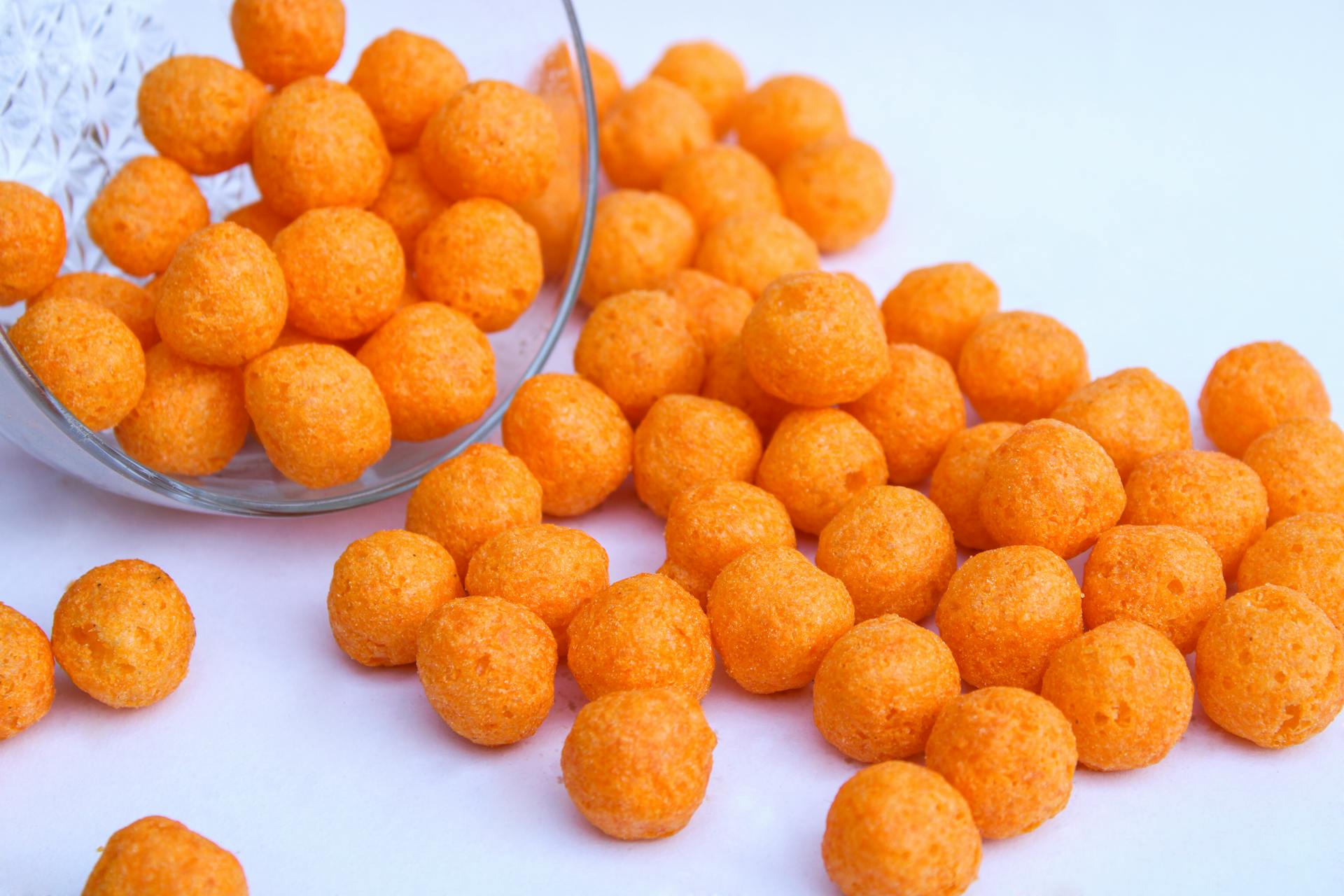
As I took a brief inventory of our household’s pantry the other day (and saw a crumpled bag of one of my 9-year-old daughter’s favorite snacks – cheese balls – staring back at me), the irony of preparing this article on ultra-processed foods was not lost on me.
Some of my children’s favorite foods include mac ’n cheese (the one in the blue & orange box, not the homemade variety), cheese pizza from our favorite neighborhood pizza joint, and chicken nuggets (from that ubiquitous place with the golden arches – definitely not the home-made kind!)
It seems that we are a nation that is growing up even more and more on ultra-processed foods.
The American Journal of Clinical Nutrition published the results of an 18-year-long study in which over 40,000 adults participated in the CDC’s National Health and Nutrition Examination Survey from 2001 through 2018.
The results of this study showed that ultra-processed food consumption grew from 53.5% of calories in the beginning of the study period (2001-2002) to 57% at the end (2017-2018).
The intake of ready-to-eat meals, like frozen dinners, increased the most, while the consumption of whole foods decreased from 32.7% to 27.4% of calories, mostly due to people eating less meat and dairy.
Notably, older adults (aged 60+) experienced the sharpest increase in consuming ultra-processed foods: this age group ate the least ultra-processed foods and most whole foods at the beginning of the study period yet ate the most ultra-processed foods and least whole foods by the end.
Currently, the U.S. is the leading country in ultra-processed food (UPF) consumption, accounting for 60% of caloric intake, compared to a range of 14 to 44% in Europe.
How can we identify which foods are ultra-processed?
The NOVA Food Classification system, which was designed by Center for Epidemiological Studies in Health and Nutrition at the University of Sao Paulo, Brazil, classifies foods based upon their level of processing.
The 4 types of processed foods are:
GROUP 1: UNPROCESSED OR MINIMALLY PROCESSED FOODS
Unprocessed Foods are obtained directly from plants or animals and do not undergo any alteration following their removal from nature.
Minimally processed foods are natural foods that have been submitted to cleaning, removal of inedible or unwanted parts, fractioning, grinding, drying, fermentation, pasteurization, cooling, freezing, or other processes that may subtract part of the food, but which do not add oils, fats, sugar, salt or other substances to the original form.
Examples of Group 1 Foods include: fruits, vegetables (fresh/frozen/dried), nuts, fresh or pasteurized vegetable or fruit juices with no added sugar or other substances, fresh or dried herbs and spices, milk, yogurt without sugar, eggs, grains of wheat, oats and other cereals.
GROUP 2: OILS, FATS, SALT, AND SUGAR
Group 2 items are also called Processed Culinary Ingredients. These are products extracted from natural foods by processes such as pressing, grinding, crushing, pulverizing, and refining.
They are used to season and prepare foods such as broths and soups, salads, pies, breads, cakes, sweets, and preserves.
Examples of Group 2 Items include: oils made from seeds, nuts and fruits (e.g., soybeans, corn, oil palm, sunflower or olive), butter, sugar and molasses, refined or coarse salt, honey extracted from honeycombs, and maple syrup.
GROUP 3: PROCESSED FOODS
Processed foods are products manufactured by industry with the use of salt, sugar, oil or other substances (Group 2) added to natural or minimally processed foods (Group 1) to preserve or to make them more palatable.
They are derived directly from foods and are recognized as versions of the original foods. Most processed foods have two or three ingredients.
Examples of Group 3 foods include canned fruit, vegetables or legumes; canned tuna; tomato extract, pastes or concentrates (with salt and/or sugar); smoked or cured meat such as beef jerky and bacon; homemade bread; salted nuts; cheese; and fermented alcoholic beverages such as beer, alcoholic cider, and wine.
GROUP 4: ULTRA-PROCESSED FOODS
Ultra-processed foods are industrial formulations made entirely or mostly from substances extracted from foods (oils, fats, sugar, starch, and proteins), derived from food constituents (hydrogenated fats and modified starch), or synthesized in laboratories from food substrates or other organic sources (flavor enhancers, colors, and several food additives used to make the product hyper-palatable).
Group 1 foods only comprise a small proportion of, or are completely absent from, ultra-processed products.
The list of examples of UPFs is long (and unfortunately, quite appetizing to the average person!)
They include fatty, sweet, savory or salty packaged snacks; cookies; ice cream & frozen desserts; chocolate and candy; pre-prepared chicken nuggets and fish sticks; pre-prepared pizza and pasta dishes; pre-prepared burgers, hot dogs, sausages; sodas and other carbonated soft drinks; ‘energy’ and sports drinks; packaged breads, hamburger buns and hot dog buns; ‘instant’ soups, noodles, sauces, desserts, drink mixes and seasonings; baked products made with ingredients such as hydrogenated vegetable fat, sugar, yeast, whey, emulsifiers, and other additives; sweetened and flavored yogurts, including fruit yogurts; breakfast cereals and bars; dairy drinks, including chocolate milk; replacement meal shakes (e.g., ‘slim fast’); sweetened juices; pastries, cakes and cake mixes; margarines and spreads; and distilled alcoholic beverages such as whisky, gin, rum, vodka.
When you read through this list of UPFs, it’s easy to see why they dominate the American diet – they are everywhere!
So why should we care about trying to cut back on our consumption of UPFs?
For one thing, UPFs often lack nutritional value, and are processed with additives and preservatives.
They often contain high levels of saturated fat, salt, and sugar, and the more we consume them, the more that our diet lacks nutrient-dense healthier foods that contain protein, fiber, vitamins, and minerals.
Even more concerning are the health risks: according to a review of epidemiological meta-analyses recently published in the British Medical Journal in 2024, greater exposure to ultra-processed foods was associated with a higher risk of adverse health outcomes and premature death.
Other research has linked high consumption of UPFs with increased risk of heart disease, stroke, hypertension, depression, obesity, diabetes, reduced HDL (good) cholesterol, and cancer.
So should we all try to avoid all processed and ultra-processed foods?
Not necessarily – a few might even have some health benefits.
For example, according to the NOVA classification system, commercially prepared whole-grain bread is classified as a Group 4 ultra-processed food; however, if your whole-grain bread contains high levels of fiber and minimal added sugars, it can even help reduce your risk for heart disease, diabetes, and obesity.
Flavored yogurts are also considered ultra-processed, but eating yogurt 2 or more times per week may lower your risk of colon cancer.
According to a new study published February 2025 in Gut Microbes by researchers from the Harvard T.H. Chan School of Public Health and Mass General Brigham, regular yogurt consumption may cause changes to the gut microbiome that are protective against a certain type of aggressive colon cancer.
It is true that the more a food goes through processing, the more nutrients are stripped away, in exchange for added preservatives, sodium, and other unhealthy ingredients.
You can start taking small steps to improve your diet by reading nutrition labels.
Be mindful of listed ingredients that are additives and preservatives – these include high fructose corn syrup, hydrogenated oils, food dyes, monosodium glutamate, sodium nitrates, sodium nitrites, and sulfites such as sulfur dioxide, sodium bisulfite or sodium sulfite.
Also try to watch for hidden sugars, fats and salt, especially those added during processing.
Nutrition labels now typically disclose added sugar content.
The Dietary Guidelines for Americans recommends limiting added sugars to less than 10% of total daily calories for ages 2 and older (about 200 calories in a 2,000-calorie diet).
It is very challenging, even as you walk along the aisles of a grocery store, to avoid ultra-processed foods, but by making more informed choices, the small changes to your diet that you implement can have major long-term impact towards a healthier life!
Here at Wayland Personal Physicians, we offer services such as nutritional counseling to help you meet your healthier eating goals.
Additionally, Dr. Jane Yu is board-certified in obesity medicine and can help you work on nutrition, lifestyle, and medication assistance that can help you achieve your weight and lifestyle goals.